 Zoneding Machine












Mobile Crusher Plant for Colombia Road and Quarry Projects
478Compare 50–200 TPH mobile crusher setups for Colombia road, quarry, river stone and recycling projects, including logistics and wear parts.
View detailsSearch the whole station Crushing Equipment
Grinding quartz sand is a major challenge. Quartz is extremely hard and abrasive. Using the wrong equipment will introduce iron contamination, ruin a product’s purity and value, and lead to massive operational costs.
To grind quartz sand while avoiding iron contamination and controlling costs, it is essential to use a ball mill with non-ferrous components. This means selecting a ceramic ball mill with high-alumina linings and grinding media. This is the only way to produce high-purity quartz powder cost-effectively.
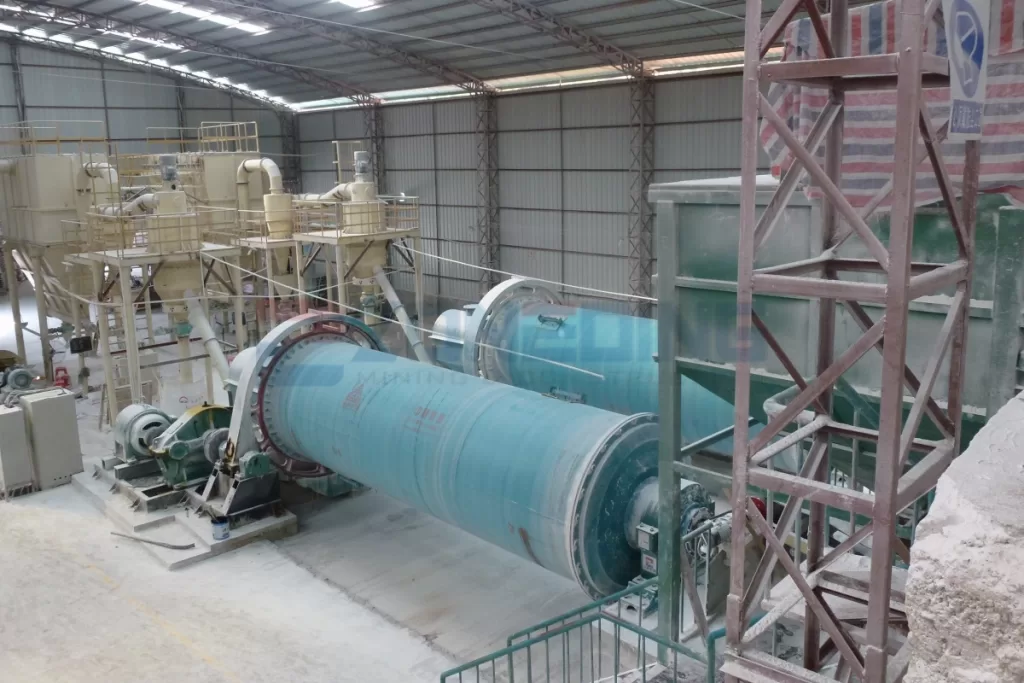
Choosing a quartz sand ball mill is more than just buying a machine; it is an investment in the final product’s quality. As a specialized ball mill manufacturer, ZONEDING understands that the real enemy in grinding quartz is not its hardness, but iron contamination. This guide explains the critical selection factors that protect a product’s value and the operation’s bottom line.
A common concern is that any contact with steel will contaminate high-purity quartz. Using a standard steel mill is a recipe for disaster, turning bright white sand into a worthless grey powder. This concern is absolutely correct.
For any high-purity or high-whiteness quartz application, a ball mill with ceramic lining is non-negotiable. Standard steel liners will constantly shed microscopic iron particles into the product, which is unacceptable for industries like high-end glass, electronics, or ceramics.
The value of the final product is directly tied to its purity, specifically its low iron content. A standard steel-lined mill literally grinds itself into the product. To prevent this, it is necessary to create a completely non-ferrous grinding environment.
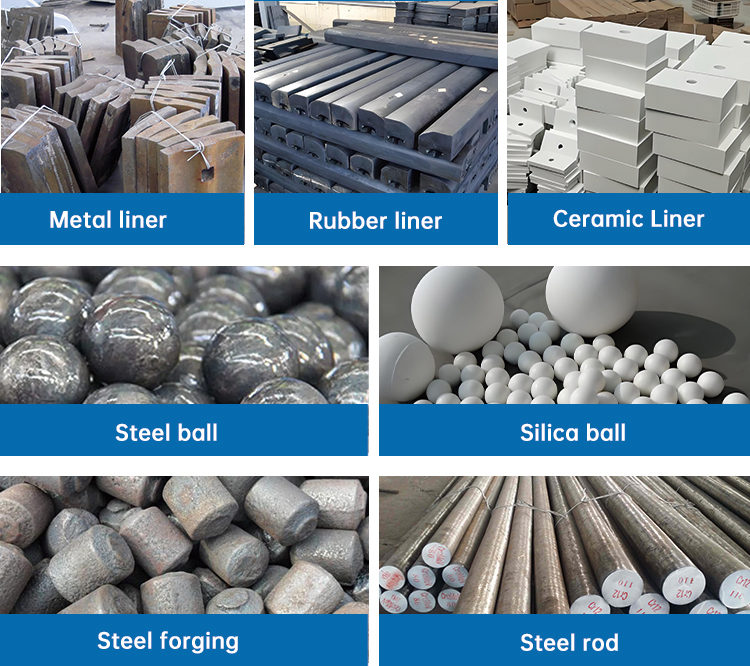
The choice between wet and dry grinding is critical, and the consequences of the decision are massive. Making the wrong decision can lead to huge dust problems, high energy bills, or unnecessary dewatering costs. The choice affects the entire design of the plant.
Dry and wet grinding processes are fundamentally different. Dry ball mills require an extensive air and dust collection system and consume more energy. Wet ball mills are more energy-efficient and dust-free but produce a slurry that requires downstream dewatering.
For quartz, the choice between “dust vs. slurry” has clear operational and safety implications.
| Feature | Dry Grinding | Wet Grinding |
|---|---|---|
| Energy Efficiency | Lower. Air is an inefficient medium for energy transfer. | Higher. Wet grinding is 20-30% more energy-efficient. |
| Operational Hazard | Extreme dust (silica) hazard. Requires massive investment in dust collection systems to manage health (silicosis) and explosion risks. | No dust. The process is contained as a slurry, making it much safer and cleaner. |
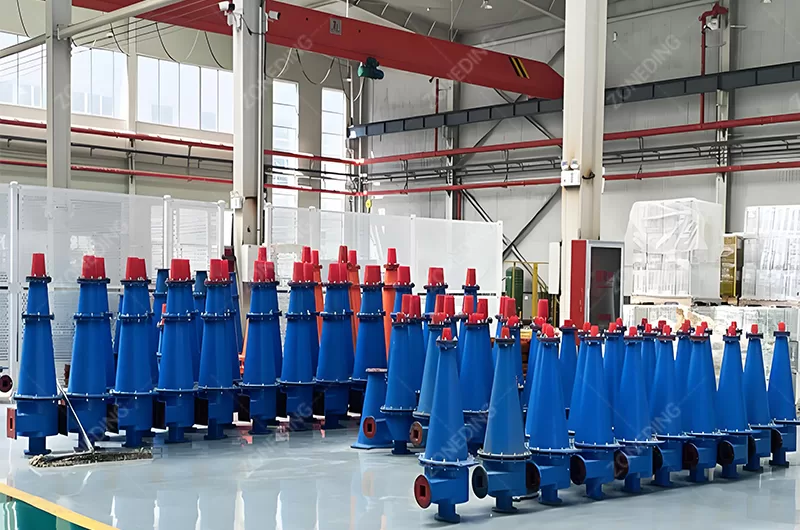
| Product Handling | Product is a dry powder, ready for use if no further processing is needed. | Product is a slurry. Requires dewatering (e.g., with hydrocyclones, dewatering screens, or filters) if a dry product is needed. |
| Wear & Tear | Higher wear rates on liners and media due to direct impact. | Lower wear rates as water cushions the impacts. |
| Recommendation | Only used when the final product absolutely must be dry and the cost of drying a slurry is prohibitive. | The industry standard for almost all quartz grinding applications due to higher efficiency and safety. |
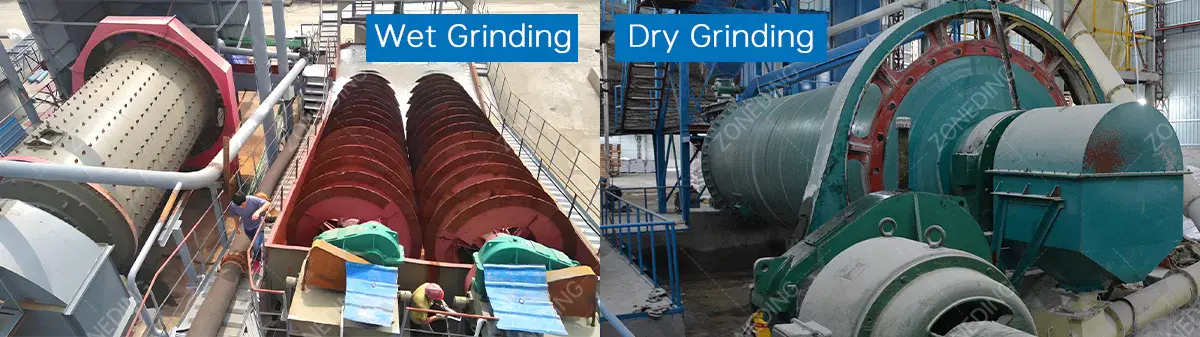
Quartz is extremely abrasive (Mohs 7) and will destroy standard steel wear parts very quickly. The concern that replacing liners and grinding balls will become the biggest ongoing expense is valid.
To minimize wear costs against highly abrasive quartz, it is essential to select liners and grinding media with a hardness greater than quartz itself. High-alumina ceramic (Mohs 9) is the superior choice over any steel alloy for both wear life and purity.
The initial purchase price of wear parts is misleading. The true measure is the cost per ton of ground product.
You need to produce a fine powder, but simply grinding for a longer time is incredibly inefficient. This common mistake leads to wasted energy and a poor-quality product with a wide particle size distribution.
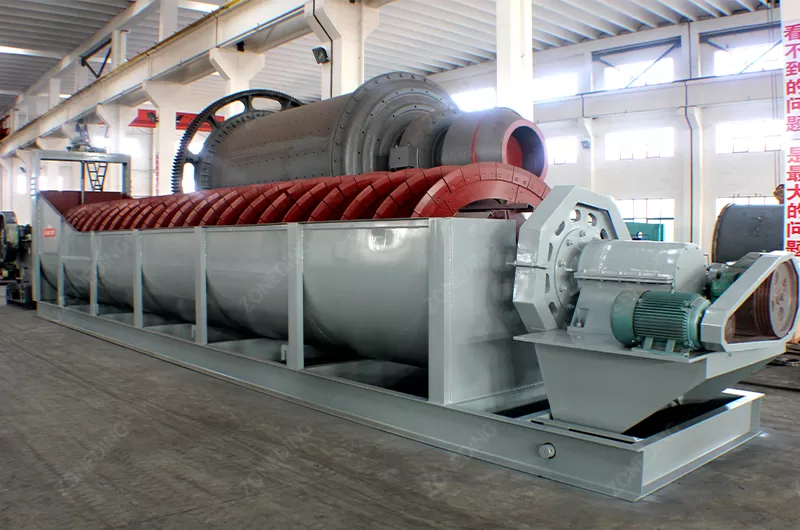
A ball mill operating alone is a very inefficient grinder. To produce a fine and consistently sized product like 200 mesh, it must be used in a closed circuit with a classifier. The classifier removes correctly sized particles and returns oversized material for more grinding.
This ball mill and classifier system is the key to efficiency.
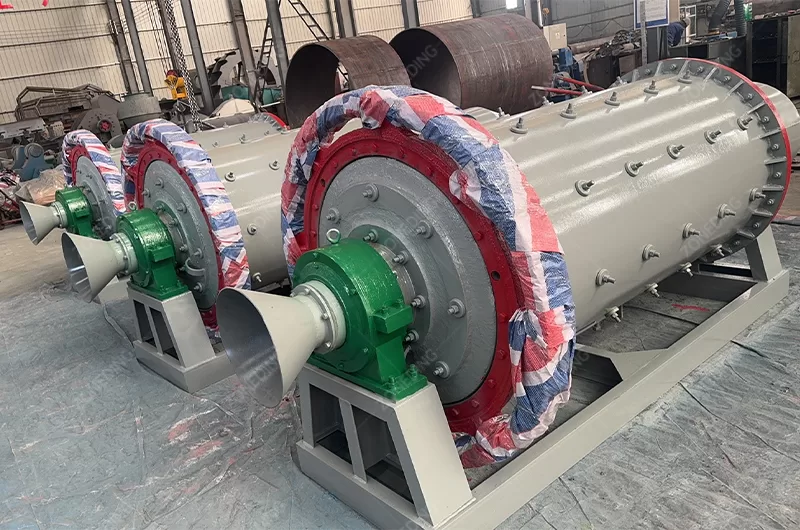
You need an accurate price, but a generic quote for the wrong machine is useless. To get a reliable solution, you need to provide a clear picture of your project. This allows us to engineer the correct system for you.
To receive an accurate technical proposal and price for a quartz grinding circuit, you must provide your raw material specifications, your final product requirements, and your production capacity goals. This information is essential for proper equipment selection.
Before you contact us, please prepare the following details:
Selecting the right quartz grinding mill is a critical technical decision. It requires a focus on preventing contamination and minimizing wear. By choosing the correct liners, media, and circuit design, you can build a highly profitable quartz powder production line.
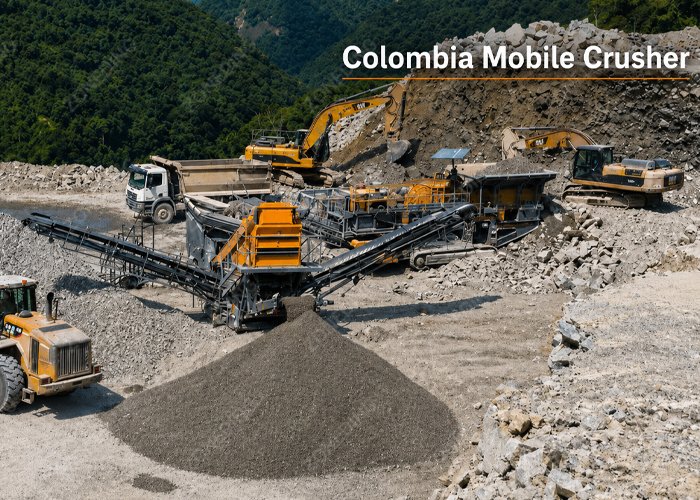
Compare 50–200 TPH mobile crusher setups for Colombia road, quarry, river stone and recycling projects, including logistics and wear parts.
View details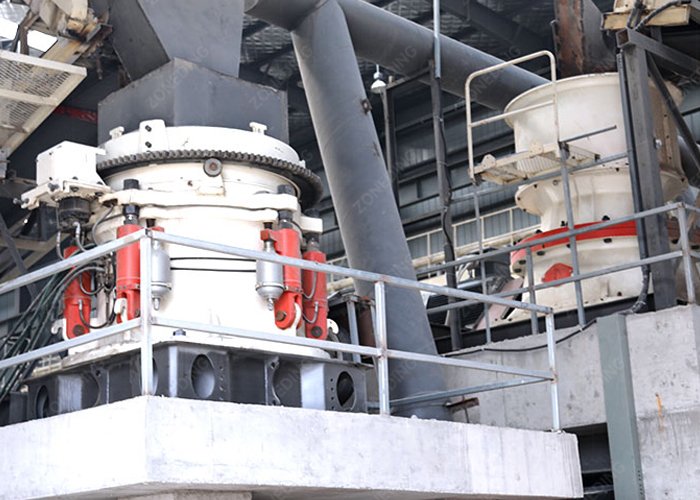
Cone crusher performance analysis determines final aggregate quality. Machine technical parameters directly dictate operational success. Analyzing these parameters prevents expensive mechanical failures. This guide relies strictly on physical mech...
View details
Efficient washing of chrome ore stands as the most vital step to increase mineral grade and market value. Many mining projects fail because sticky clay stays on the ore during the initial stages. This comprehensive guide explains how the right&nbs...
View details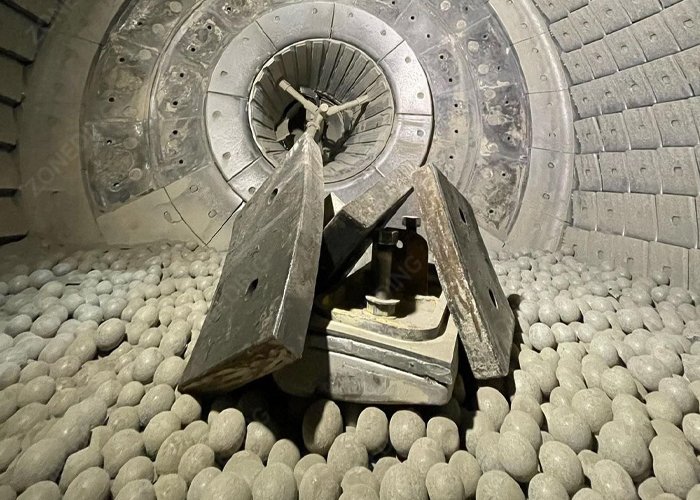
Learn how ore hardness, abrasiveness, feed size, impact, and mill conditions affect ball mill liner selection and service life.
View details